Entry · Ref LVETHZZ6
What Makes a Pizza Restaurant Ideal for Group Gatherings
- Posted
- 2026-11-10
- Last amended
- 2026-11-10
- Account
- @travisifft294


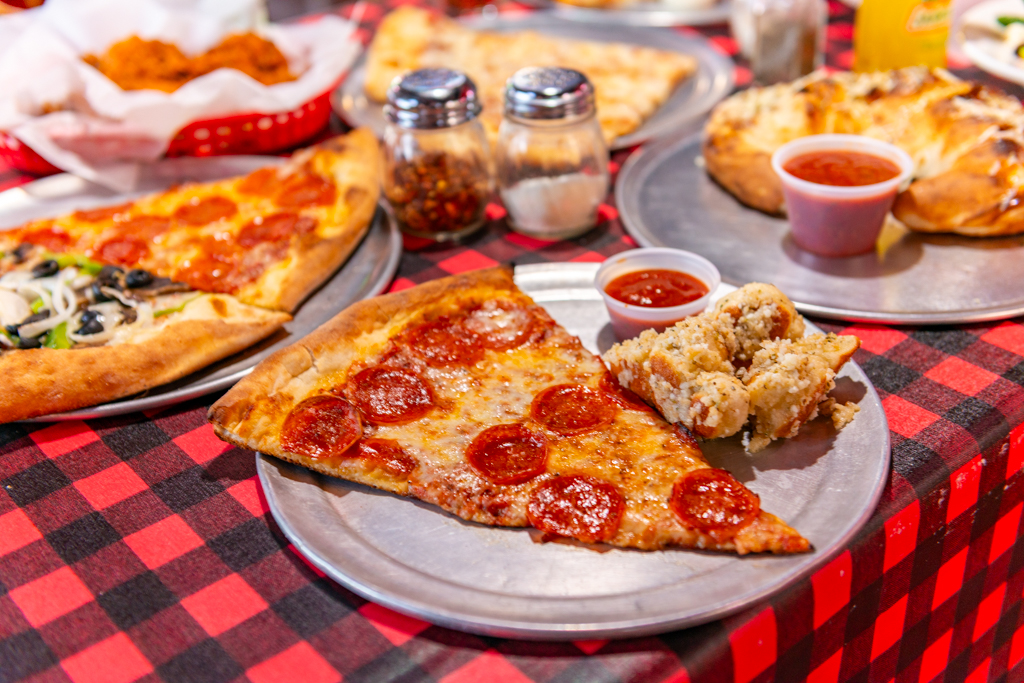
Anyone who has organized a dinner for eight, twelve, or twenty people knows the venue can make or break the night. The wrong choice creates friction before the first drink arrives. The room is too loud for conversation. The menu is too narrow for mixed tastes. The service falls apart the moment everyone orders at once. Bills become a negotiation nobody wanted to have. Group dining asks a lot from a restaurant, and not every place is built for it.
A good pizza restaurant often is.
That is not just because pizza is popular, though that helps. It is because the best pizza restaurants solve several group problems at the same time. They are usually flexible, fast by the standards of full-service dining, and naturally set up for sharing. They can handle a family birthday, a youth team celebration, a casual office dinner, or a college reunion without making the evening feel overly formal or disorganized. When a place gets the basics right, groups relax. Conversation starts flowing. People stop checking whether their food is late or whether there will be anything they can eat.
The ideal setting, however, is not simply any place that serves pizza. Some restaurants are great for a quick two-person meal and poor for gatherings. Others have the capacity but not the rhythm. A truly group-friendly pizza restaurant combines physical layout, menu design, service habits, and operational discipline in a way that feels easy from the guest side, even though it takes real effort behind the scenes.
Space matters more than people think
Most groups judge a restaurant first by how it feels when they walk in. That first impression comes from the room itself. A crowded dining room can feel energetic for a date night, but for a gathering it can become exhausting. The ideal pizza restaurant gives groups enough room to settle in without feeling isolated or squeezed between other tables.
Table flexibility is one of the clearest signs that management understands group dining. In practice, that means the restaurant can combine tables without creating awkward gaps, blocking server paths, or forcing half the group to sit in the aisle. Long rectangular tables often work better than a cluster of tiny round ones, especially when platters, drinks, side dishes, and personal items start accumulating. People need elbow room, and they need a clear sightline to one another. If guests spend the first ten minutes dragging chairs around and apologizing every time someone has to stand up, the room is not doing its job.
There is also a difference between seating a large party and hosting one well. A restaurant may technically fit fourteen people, but if six are at one angle, four are around a corner, and the rest are balancing menus in a traffic lane, the group has not actually been accommodated. The better pizza restaurants think through movement. Guests can enter and leave their seats without disrupting everyone else. Servers can deliver hot pies quickly and safely. Parents can help children. Older guests do not have to navigate tight obstacles.
Noise is another factor that tends to get underestimated. Pizza restaurants often have an upbeat atmosphere, and that can be a real asset. A little energy makes gatherings feel social rather than stiff. But there is a threshold where energy turns into strain. Hard surfaces, open kitchens, music that competes with conversation, and tightly packed seating can create an echo chamber. In a room like that, groups split into smaller conversations because hearing across the table becomes too difficult. The ideal setting keeps the buzz while preserving intelligibility. Acoustic panels, upholstered seating, high backs, sensible music volume, and distance between major party areas all help.
I have seen this play out in both directions. A neighborhood pizza restaurant with only sixty seats can handle a twelve-person birthday beautifully because the layout is calm and the staff knows how to use it. Meanwhile, a much larger place can feel chaotic because every large table sits directly beside the pickup counter and bar. Capacity on paper tells only part of the story.
A menu that reduces risk for the organizer
When one person is choosing a restaurant for a group, they are not just choosing food. They are managing everyone else’s preferences, allergies, budgets, and expectations. That is a lot of invisible labor. The reason pizza works so often is simple: it lowers the risk of disappointing the room.
Shared food gives groups breathing room. A few pizzas arriving at the table right away make everyone feel taken care of, even if salads, appetizers, or later rounds are still coming. It creates momentum. Nobody sits stiffly with an empty place setting while waiting for the slowest entrée to emerge. People start eating, passing slices, making comments, and settling into the event itself rather than the logistics of dining.
Variety matters just as much as familiarity. A strong group-oriented pizza restaurant offers enough range to satisfy different tastes without making the menu unwieldy. That usually means a core pizza lineup with room for customization, a few reliable appetizers, salads that are more than an afterthought, and at least some options for guests who do not want pizza as their main meal. Pasta, sandwiches, roasted vegetables, gluten-aware choices, and alcohol-free drinks that go beyond soda can make a big difference.
The balance is important. Too little choice makes the restaurant risky for diverse groups. Too much choice slows ordering and clogs the kitchen. The sweet spot is a menu that feels broad to the guest but remains operationally efficient. In practical terms, that means ingredients overlap intelligently, substitutions are manageable, and the kitchen can maintain speed during rush periods.
A pizza restaurant also has an advantage in portion design. Groups rarely order with perfect precision, especially when some guests are arriving late or children are sharing with adults. Pizza is forgiving. If the table is hungrier than expected, one more pie can solve the problem fast. If a few guests eat less than expected, leftovers are easy to box. Compare that with plated entrées that cannot be redistributed once they hit the table. Sharing gives the evening flexibility.
Speed is not about rushing, it is about flow
Group gatherings do not need lightning-fast service. They need service that moves with confidence. There is a difference.
At a poorly prepared restaurant, a large table can feel like an operational emergency. Orders are taken slowly because the server is already stretched. Drinks come out in fragments. Appetizers arrive after mains. One side of the table gets food while the other waits seven more minutes. That sort of staggered service breaks the social rhythm and makes the event feel less generous than it should.
The ideal pizza restaurant understands pacing. It knows when groups want to linger and when they simply want the evening to stay on track. This is especially important for occasions with a schedule attached, such as a post-game meal before younger kids get tired, a work gathering on a weeknight, or a birthday dinner before another activity.
Pizza lends itself to pacing because the kitchen can stage the meal naturally. Drinks and shareables can hit the table early. The first round of pizzas can arrive once everyone is settled. A second wave can follow if needed, or a specialty pie can be timed for guests who came in late. If dessert is part of the occasion, the group does not need to reorient after a heavy plated meal. The whole experience stays fluid.
That flow depends on coordination between front and back of house. A restaurant that is ideal for gatherings usually has systems that guests never see. It confirms headcounts. It flags allergy notes clearly. It knows whether a table wants separate checks before the meal is underway, not after the plates are cleared. It tells the kitchen when a twenty-person order is coming instead of dropping it without warning. None of this is glamorous, but it is the difference between https://edwinzfyg101.ironwoodscope.com/posts/what-makes-handmade-dough-special-at-a-pizza-restaurant a smooth gathering and one that feels patched together.
Service style can carry the whole evening
Great group service has a particular kind of professionalism. It is attentive without hovering, organized without sounding rehearsed, and warm without becoming overly familiar. In a pizza restaurant, where the atmosphere is often more casual, this balance becomes even more important.
Large groups usually produce small moments of confusion. Someone is running late. Two people need gluten-free crust. A child spills water. A grandparent wants a quieter seat. One guest did not realize the house specialty includes a topping they dislike. The best staff handle these moments with calm competence. They do not make the organizer feel like a burden for asking questions or making adjustments. They anticipate where friction might appear and smooth it out early.
This is one reason hospitality matters more than concept. A beautiful dining room and a wood-fired oven do not help much if staff respond to group questions with impatience. By contrast, an older pizza restaurant with modest decor can become the favorite gathering place in town if the team knows how to host people well. Guests remember whether the server kept drinks moving, whether dietary concerns were taken seriously, and whether the manager checked in at the right moment.
A practical marker of strong service is how clearly the restaurant communicates before arrival. If a host can explain reservation policies, table timing, menu options, parking, and bill procedures in plain language, the odds of a successful event rise immediately. When those details are vague, groups arrive with mismatched expectations.
One of the most useful habits I have seen in group-friendly restaurants is assigning a point person. That can be a lead server, floor manager, or shift supervisor who keeps an eye on the table from beginning to end. Guests may not even notice this structure consciously, but they feel the benefit. Questions get answered faster. Timing stays consistent. Fewer details fall through the cracks.
Comfort is not a luxury for groups
The longer people stay, the more physical comfort matters. This may sound obvious, but it is surprising how many restaurants overlook it in pursuit of style.
Chair quality matters. A bench may look efficient but can become awkward when people need to get up repeatedly. Table height matters too, especially when the meal involves large serving platters and shared dishes. Lighting should be bright enough to read the menu and see the food, but soft enough to feel social. Temperature control matters more than many operators realize. A room that runs hot from ovens and packed bodies can tire a group quickly, especially if children or older adults are involved.
Restroom access is part of comfort as well. Group gatherings generate movement. If the restroom is hard to find, poorly maintained, or located through a crowded bar zone, the restaurant loses points immediately. The same goes for parking and entry access. A pizza restaurant that is genuinely group-friendly often wins before the first order simply by being easy to arrive at and easy to navigate.
Families notice high chairs, booster seats, and kid-friendly pacing. Corporate groups notice whether the room allows conversation and whether checks can be handled efficiently. Extended families notice whether grandparents, teenagers, and small children can all feel reasonably comfortable in the same space. The ideal place does not need to be perfect for every demographic, but it should not accidentally punish one of them.
Affordability without cheapness
Price is one of the reasons many groups gravitate toward a pizza restaurant, but value is the real issue. People are not just looking for the lowest bill. They want the meal to feel worth organizing around.
Pizza works because it can scale. A table can keep things simple with a few classic pies and pitchers of soft drinks, or it can order craft cocktails, specialty appetizers, premium toppings, and dessert. That flexibility lets groups self-calibrate. Not every guest arrives with the same budget, and a restaurant that allows discretion without embarrassment has a real advantage.
From the organizer’s point of view, predictable pricing matters almost as much as the total itself. Menus that make it easy to estimate food quantities and likely spend reduce stress. If a restaurant offers package options for larger parties, those can be helpful, but only when they are sensibly designed. A rigid preset menu can backfire if it forces groups into more food than they want or eliminates popular dietary substitutions. Some of the strongest operators offer structure without locking people in.
There is also a psychological side to value. Shared pizza feels abundant when it is presented well. A table with several hot pies, a salad bowl, and appetizers often feels more generous than a line of modest individual plates, even if the total cost is similar. For celebrations, that abundance matters. People want the table to look festive.
The little operational details that guests always feel
Restaurants sometimes focus so heavily on food quality that they forget how strongly group experiences are shaped by details around the food. Those details can seem small in isolation, but together they form the memory of the night.
Here are a few signs that a pizza restaurant is set up well for gatherings:
- Reservations are handled clearly, with honest guidance on group size, timing, and wait expectations.
- The restaurant can explain how many pizzas typically feed a party, without overselling.
- Separate checks, partial payments, or a single host tab are discussed before the meal gets busy.
- Dietary needs are acknowledged confidently, not treated as an inconvenience.
- Leftovers are boxed promptly and accurately, which matters more than people admit after a large meal.
These are not glamorous features, yet they often separate the places groups recommend from the ones they avoid next time. Good operators know this. They understand that the organizer is evaluating the experience on behalf of everyone else.
Food quality still has to anchor the experience
All the logistics in the world cannot save a restaurant if the pizza itself is forgettable. Group gatherings may prioritize ease, but nobody wants convenience at the expense of flavor.
The best pizza for groups is not necessarily the most experimental. It is the kind that travels from oven to table well, slices cleanly, and appeals to a broad range of tastes while still showing character. Dough should have structure and flavor. Sauce should taste intentional, not merely sweet or salty. Cheese should be balanced, not so heavy that every slice collapses. Toppings should be distributed thoughtfully, especially when the pie is being shared among several people.
Consistency matters even more than brilliance in this setting. A group meal suffers when one pizza is excellent and the next is underdone. Large parties remember reliability. They notice whether the restaurant can turn out six or eight pies with the same level of care, not just one beautiful pizza for a social media photo.
That said, a signature item can elevate the whole gathering. Maybe it is a house-made sausage pie, a white pizza with roasted garlic, or a seasonal special that regulars wait for each year. Those touches give groups something to talk about and remember. They make the meal feel chosen rather than generic.
Different gatherings need different strengths
Not every group is looking for the same thing, and a pizza restaurant becomes truly ideal when it can serve more than one kind of occasion without feeling confused about its identity.
A youth sports team needs speed, tolerance for noise, and menu items that satisfy hungry kids and patient parents. A birthday gathering for adults may care more about drinks, atmosphere, and seating flexibility. A multi-generational family dinner often hinges on accessibility, moderate noise, and broad menu appeal. Office groups frequently prioritize reservations, efficient billing, and enough professionalism that the evening still feels organized.
The best operators know their lane. Some lean into lively community energy and become the obvious choice for team dinners and casual celebrations. Others cultivate a polished neighborhood feel that works for birthdays, reunion dinners, and business-casual gatherings. Problems arise when a restaurant tries to market itself to every group but has not designed its room or service standards to support those claims.
This is where judgment matters more than trendiness. A stylish new concept may attract attention, but if it lacks practical group infrastructure, repeat group business will drift elsewhere. Meanwhile, a well-run local pizza restaurant with ten years of community trust may keep winning these occasions because it reliably does the unflashy work.
Why groups come back to the same places
When people find a restaurant that handles gatherings well, they tend to return again and again. That loyalty is rarely about one perfect meal. It grows from confidence. Guests know the room will work, the service will hold, and the food will please most of the table. That predictability is valuable.
For restaurant owners, group dining can be more than a nice extra. It can become a durable part of the business, especially during birthdays, school events, weekend family meetups, and local club or team celebrations. But earning that business requires more than offering large pizzas. It requires designing an experience around how groups actually behave.
People arrive in waves. They need space for bags, jackets, strollers, trophies, gifts, or sports gear. They want to hear one another. They want enough variety to avoid awkward menu dead ends. They need food that lands fast enough to keep the table happy, but not so fast that the evening feels rushed. They need staff who can bring order to little moments of chaos without making anyone feel managed.
That is what makes a pizza restaurant ideal for group gatherings. It brings together food that people naturally want to share, a room that supports togetherness, and a style of service that understands the realities of dining with many personalities at once. When all of those pieces align, the restaurant does more than feed a crowd. It gives the gathering a place to work.
RUFFRANO'S HELL'S KITCHEN PIZZA Security
385 Main St, Colorado Springs, CO 80911
(719) 390-4355
FAQ About pizza restaurant
Is there a Hell's Kitchen pizza restaurant in Security-Widefield?
Yes. Ruffrano's Hell's Kitchen Pizza has a Security-Widefield location at 385 Main St.
Where can I find pizza delivery in Security-Widefield?
Ruffrano's Security location offers online ordering. Enter your address at checkout to check delivery availability and fees.
Where can I find gluten-free pizza in Security-Widefield?
Ruffrano's menu lists a 12-inch gluten-free option. Call the Security location to confirm availability and ask about shared equipment if cross-contact is a concern.